All Recipes

Bergamot gin

Anna jones bergamot gin for AJ website 1

Winter is the time for citrus in every shade, from lemon chiffon to saffron mandarins, tangerines, Moro blood oranges, kumquats and tiny key limes. To my delight, I managed to get my hands on some Meyer lemons recently, a less acidic variety, with a sherbet tangerine kick – they hail from California. Any of these citrus fruits would work well in this gin, but I’ve used my favourite of all, the bergamot.

The heady bergamot orange is a fragrant citrus that grows in France and Italy. It looks like a squat green lemon. Its juice is more acidic than lemon but its peel is uplifting – it has a deeper, almost woody citrus scent. I adore it. You can also buy bergamot lemons which look like a traditional lemon but taste sweeter, with a more orange skin; I like to use the greener bergamot oranges as they have more of the floral lemony notes I love, but both work. I have made a pretty pink-tinged blood orange version too.

I make this in a similar way to limoncello, with some added sugar, so it’s sweeter than regular gin, meaning you can drink it straight over ice or in a gin and tonic. I made a big batch this year that I’m saving for next year’s Christmas presents.

A quick note on how to sterilise your bottles

Rather than boiling your bottles to sterilise them, I warm them in the oven while I am working. Preheat the oven to 140C/275F/gas mark 1. The jars / bottles should be in there for 10 minutes minimum, but can stay in longer. When your gin is ready, protecting your hands with an oven glove, carefully ladle it into the hot bottles. This process will be sufficient to seal the jars / bottles safely. The hottest cycle on your dishwasher will do the trick too.

Serves
Makes 650ml
Anna jones bergamot gin for AJ website 1

Ingredients

  • 6 bergamots
  • 500ml good gin
  • 300g golden caster sugar
  1. Zest the bergamots

    Peel long strips of rind from the bergamots using a vegetable peeler, taking care not to use too much of a heavy hand, otherwise you’ll end up with a lot of bitter pith.

  2. Infuse the gin

    Place the peel in the bottom of a lidded clean glass jar or bottle and add the gin, using a funnel if it’s easier. Leave in a dark place for the flavours to develop; this can take from 1–3 weeks. Generally, once the peel has turned white, all its flavour has been infused.

  3. Make a sugar syrup

    Once your gin has had its steeping time you are ready to mix it with the sugar syrup. Put the sugar and 300ml of cold water into a saucepan and bring to a gentle boil, allowing all the sugar to dissolve, then simmer for a further 10 minutes. Allow to cool completely.

  4. Strain the gin + add your syrup

    Strain the gin into a jug, then add about the same volume of sugar syrup and taste it, adding a little more to taste – the more sugar the smoother the flavour.

  5. Bottle your gin

    Pour the gin into sterilised bottles and secure with a top. It will keep for years, although it’s unlikely to last that long.

Additional information

As featured in

Anna jones The Modern Cooks Year book cover

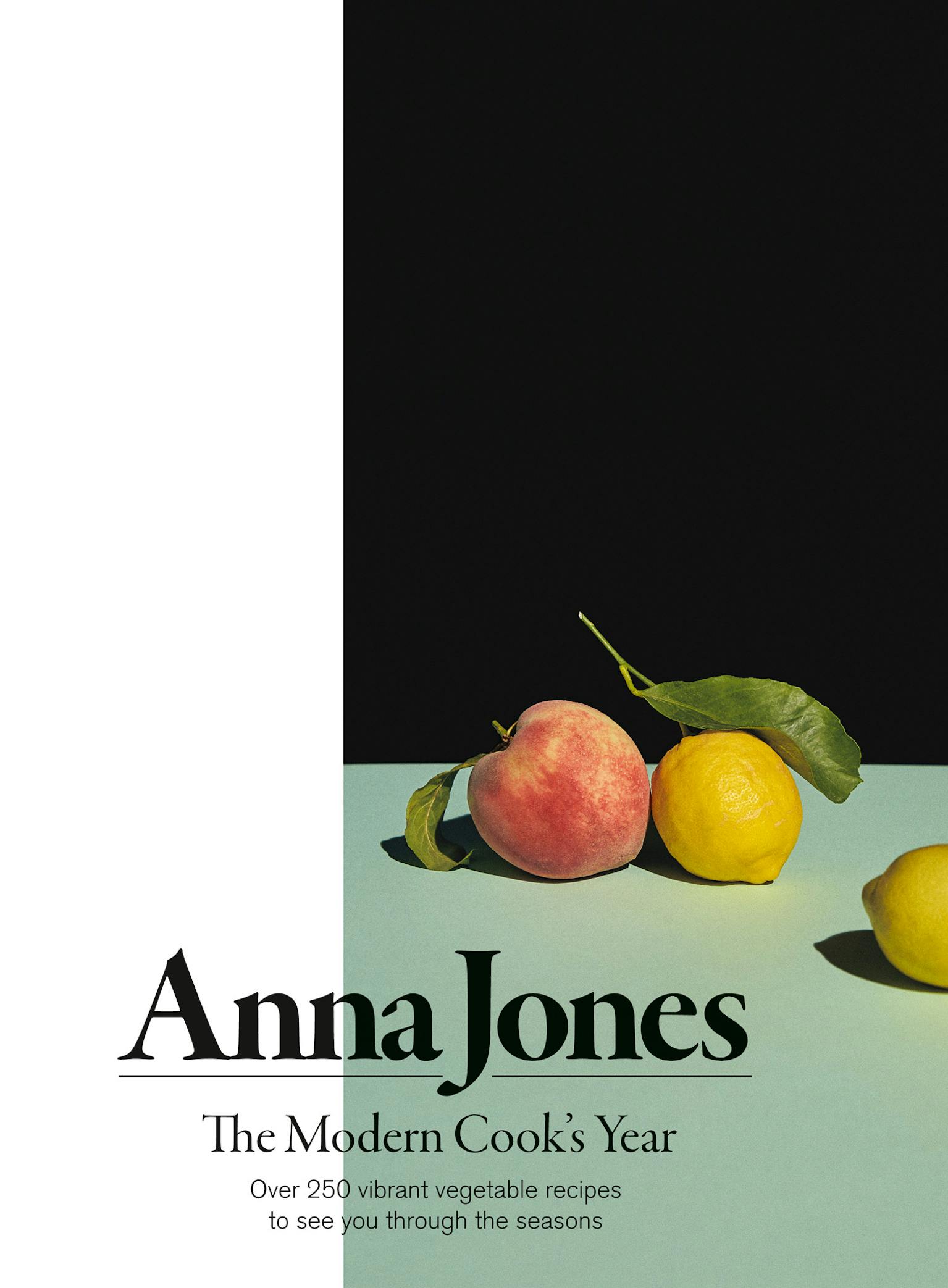
The Modern Cook’s Year

An essential addition to every cook’s bookshelf, The Modern Cook’s Year will show you how to make the most of seasonal produce, using simple, hugely inventive flavours and ingredients. Divided into six seasons, the cookbook contains over 200 delicious vegetarian recipes interspersed with tips on everything from seasonal music playlists to flowers to look out for in each month of the year.

Sign up to my Newsletter

Sign up for my newsletter for joyful and inspiring recipes from me every week, as well as occasional takeovers from other brilliant chefs. I promise never to go overboard and you can unsubscribe at any time.